
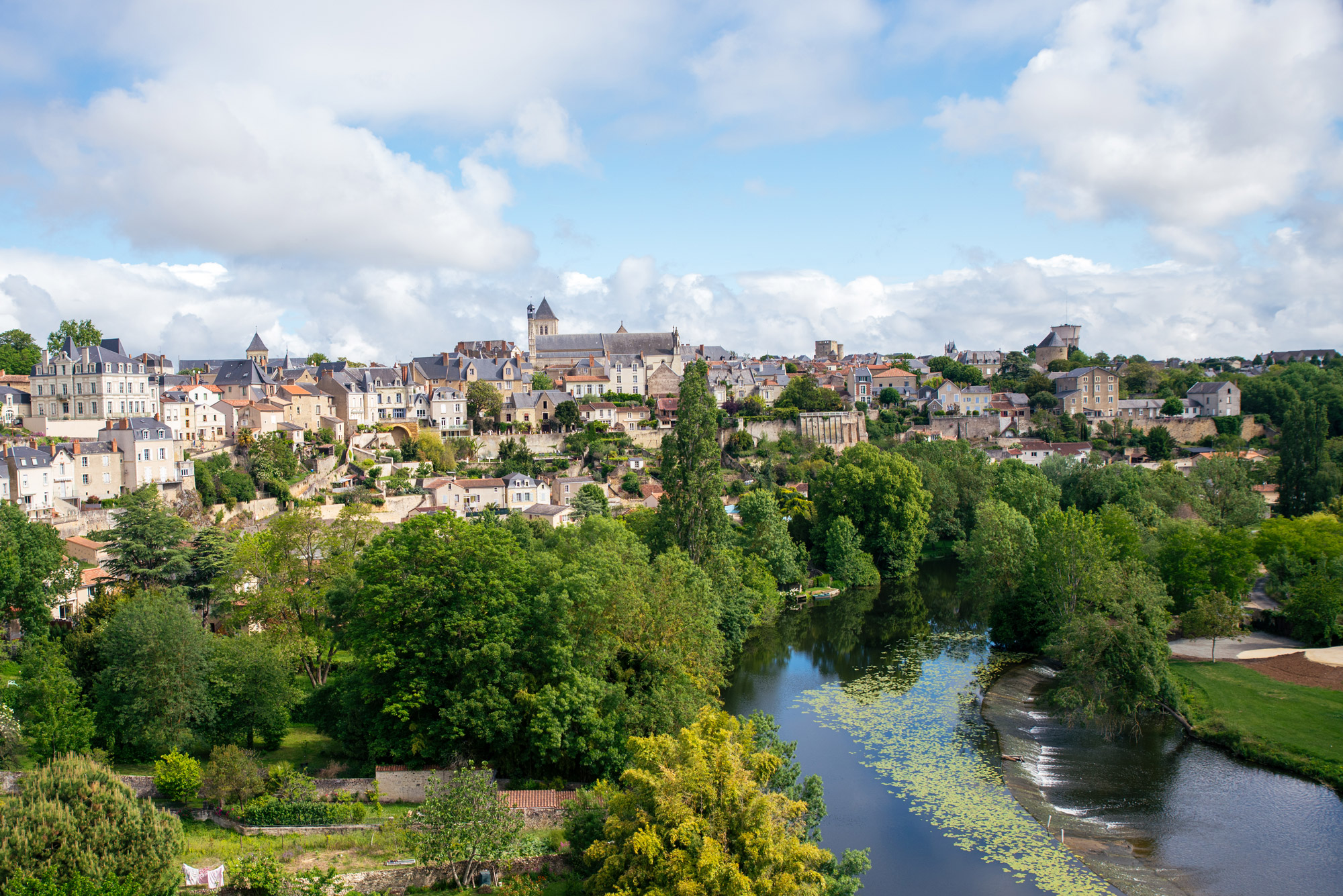
What are the must-see attractions in the Thouarsais?
Between historical heritage, exceptional natural sites and must-see events, don't miss anything the Thouarsais has to offer!
Throughout the year, we invite you to explore our treasures through a wide range of activities and discoveries.
What are the upcoming events?
Discover and take part in festive, cultural and sporting events organised in the Thouarsais, according to your preferences and interests.
My favourites in the Thouarsais


Discover the towns of the area
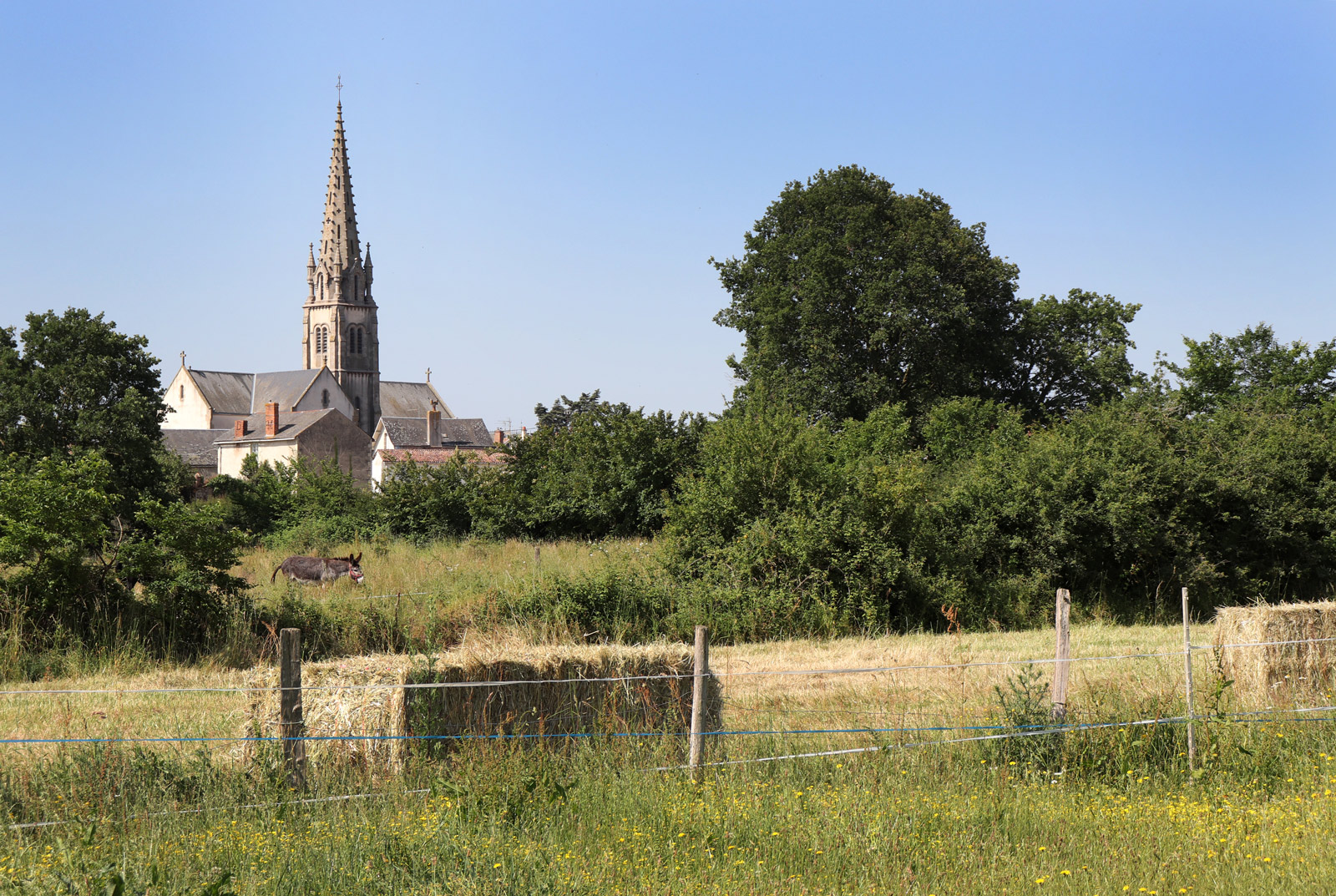
Coulonges Thouarsais
The name Coulonges, Colungia, first appeared around 1080. It comes from the Latin colonia, meaning a rural property or a settler's tenure. Notre-Dame church is one of the last churches built under the Concordat of 1801, and before the 1905 law separating Church and State. By the end of the 19th century, the old Romanesque church was in a poor state of repair, and the steeple collapsed on 19 December 1885. Reconstruction was planned and the foundation stone laid on Sunday 14 June 1891. The church was built of granite on the outside and Poitiers stone on the inside.
Thouars
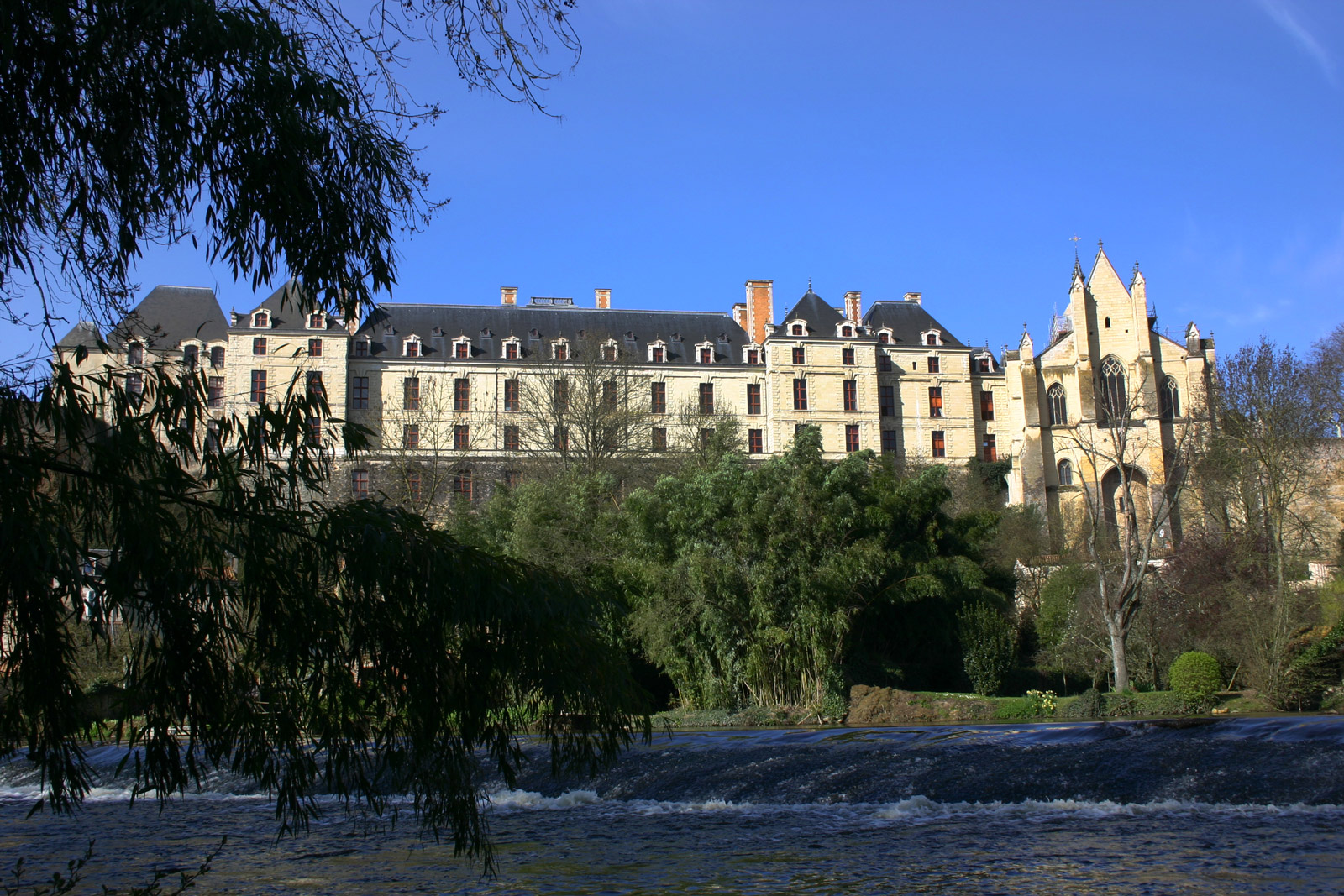
Since January 1, 2019, a new commune has been created, replacing the former communes of Mauzé-Thouarsais, Missé, Sainte-Radegonde, and Thouars. Its administrative center is located at the town hall, and the new entity is named Thouars. The commune has a population of 14,538 inhabitants.
It is governed by a municipal council made up of all the current councilors from the former communes, totaling 76 members. The former communes of Mauzé-Thouarsais, Missé, and Sainte-Radegonde have become delegated communes.
The town halls of these three communes now serve as annex offices. The creation of the new commune of Thouars was the result of a process that began in early 2018. Many steps have marked its implementation, with further measures planned to organize its governance and operations in the coming year.
Marnes
Situated on the Thouars-Poitiers trunk road and the gateway to the Thouarsais region, Marnes is a rural commune covering an area of around 1,750 hectares, watered by the Dive du Nord and bordered to the east by the Prepson canal. The grain-growing plains, hillsides and dry valleys, as well as the marshes, make up the landscape of Marnes and give it its charm.
The presence of numerous water mills bears witness to an important milling industry, now extinct. An agricultural community, Marnes also has many assets for the development of green tourism (footpaths, remarkable heritage, pleasant living environment, etc.).

Follow us on social media